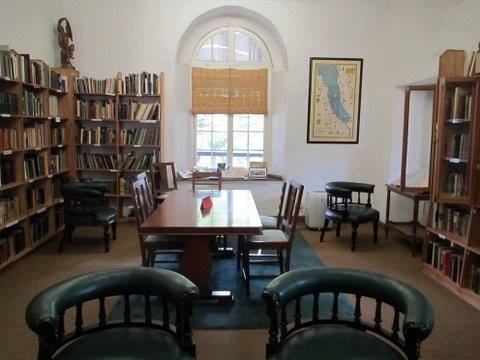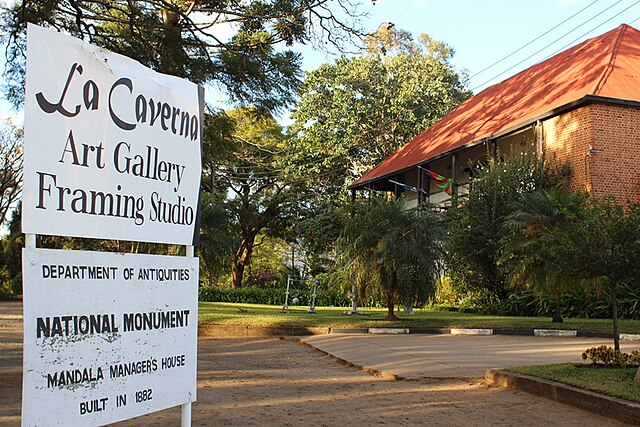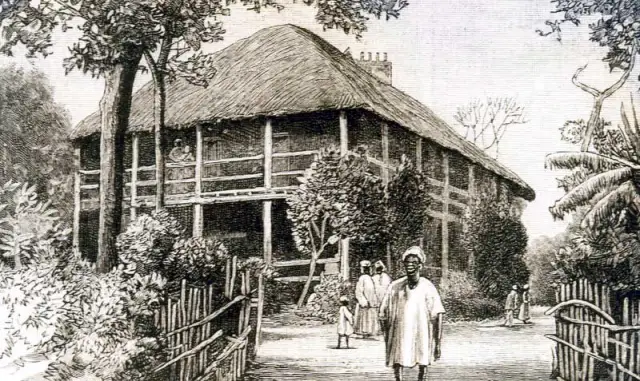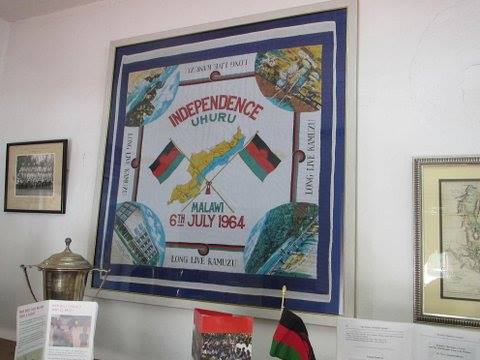


The Mandala House stands as one of Blantyre’s most significant national monuments, functioning not only as a preserved historic site but also as a living museum that tells the story of early colonial life in Malawi. Constructed in 1882 using locally sourced materials, sun-dried grass, mud, and brick, it is widely regarded as the oldest surviving European building in the country.
Originally known as the Old Manager’s House, Mandala served as a vital stronghold during a turbulent period in the region’s history. Early European settlers relied on the house and its fortified grounds as a laager, a defensive encampment during times of conflict. From the era of the Angoni incursions to the resistance surrounding the Chilembwe Uprising of 1915, the site played a crucial protective role. Defensive walls and watchtowers once surrounded the main structure, emphasizing its importance as both a residence and a place of refuge.
The origins of Mandala are closely tied to the founding of the African Lakes Corporation (ALC), established in 1878. This company emerged shortly after missionaries settled in Blantyre in 1876, marking the beginning of formal European commercial and religious influence in the area. Mandala quickly became the corporation’s principal base in Central Africa, while its headquarters remained in Glasgow, Scotland.
Throughout the late 19th century, the Old Manager’s House at Mandala served as the commercial heart of the African Lakes Corporation’s operations. From this site, trade networks were organized, goods were distributed, and relationships with local communities were shaped. As such, Mandala was not just a residence, but a hub of economic activity and colonial administration.
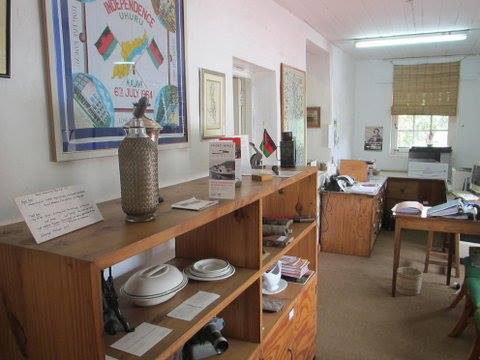
Today, the Mandala House offers visitors a window into Malawi’s layered past, where commerce, conflict, and culture intersected, making it an enduring symbol of the country’s early historical development.
An Impression